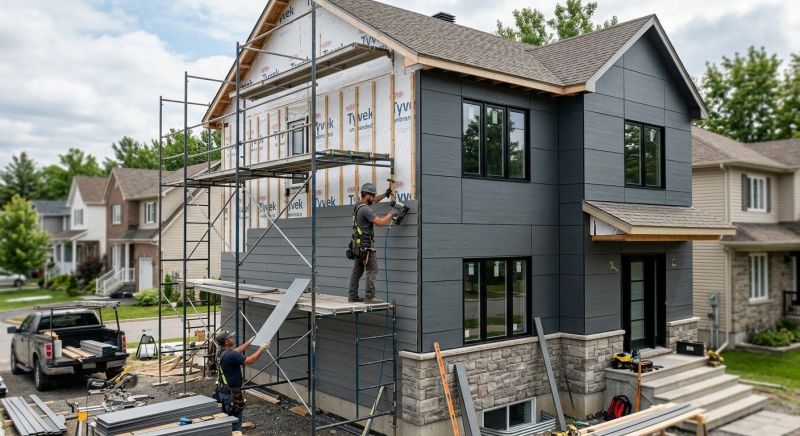
Home Cladding Installation in Boston, MA
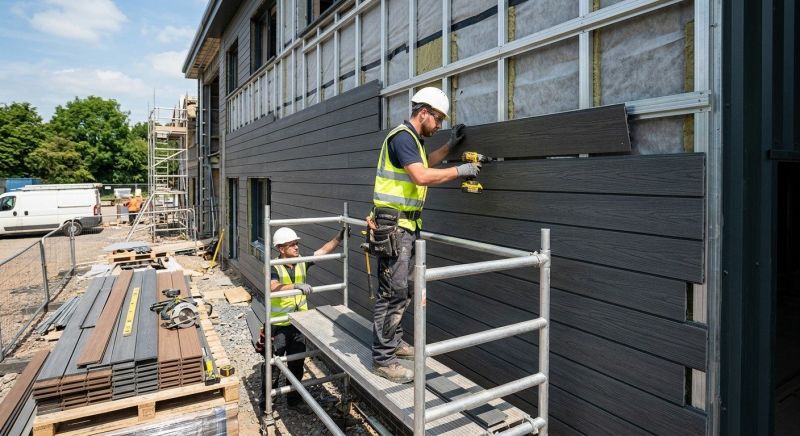
Home cladding installation involves adding a protective and decorative outer layer to a building's exterior. This service covers a variety of projects, including upgrading the appearance of residential homes, enhancing insulation, or replacing damaged siding. Property owners typically seek guidance on suitable cladding materials such as vinyl, wood, fiber cement, or metal, as well as understanding the scope of work involved, the durability of different options, and how the new cladding will improve the property's overall look and performance.
Before requesting home cladding installation, property owners should consider factors like the existing exterior condition, local climate impacts, and the desired aesthetic. It’s also helpful to understand the maintenance requirements of different cladding types and any building code considerations that may influence material choices. Clarifying these aspects ensures the project aligns with long-term goals for appearance, energy efficiency, and durability.
Many property owners in Boston, MA look into Home Cladding Installation for repairs, replacements, upgrades, and appearance-related improvements.
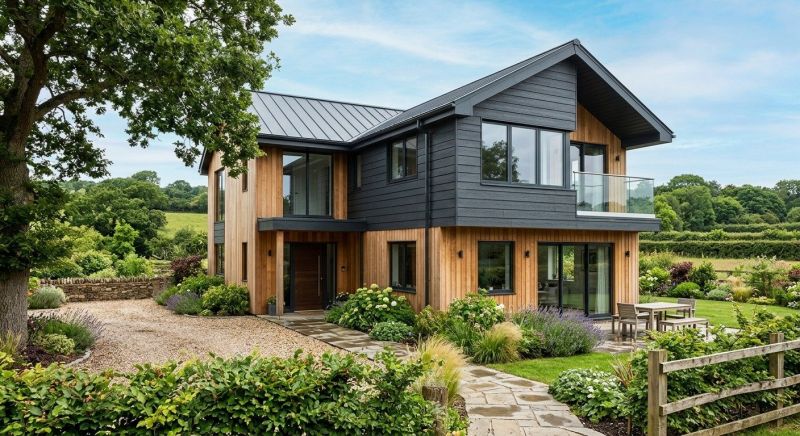
Enhance Curb Appeal
Cladding can improve the appearance of homes and commercial buildings in boston and surrounding areas.
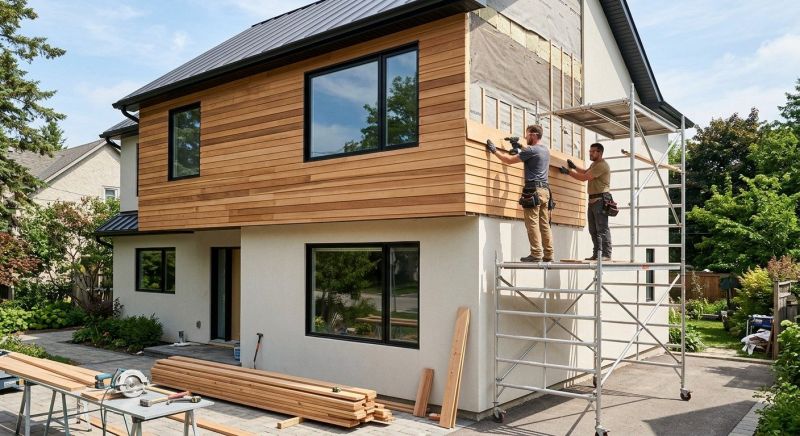
Improve Insulation And Protection
Proper cladding helps protect structures from weather elements and increases energy efficiency.
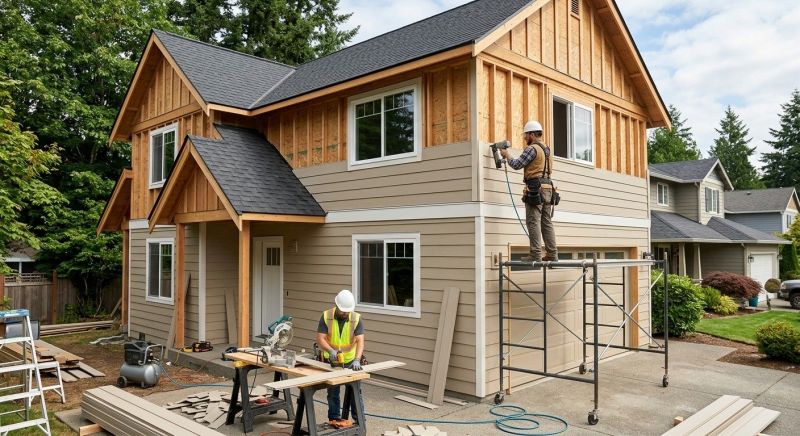
Expand Design Options
A variety of materials and styles are available to complement different architectural preferences and property types.
Home Cladding Installation in Boston, MA
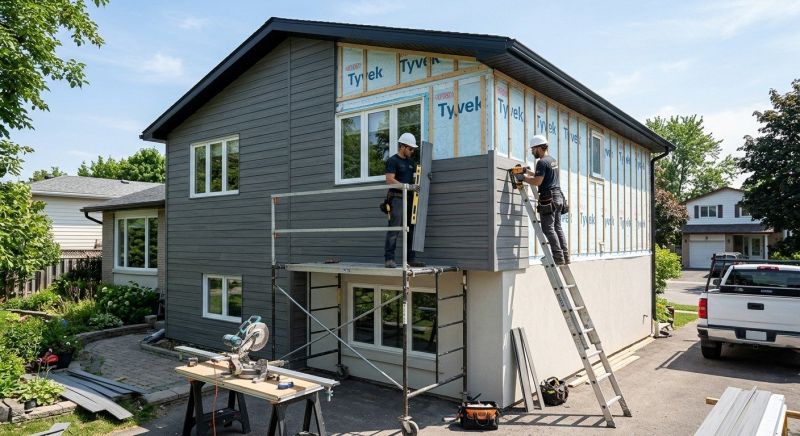
Home cladding installation involves adding a protective and decorative outer layer to a building's exterior. This service covers a variety of projects, including upgrading the appearance of residential homes, enhancing insulation, or replacing damaged siding. Property owners typically seek guidance on suitable cladding materials such as vinyl, wood, fiber cement, or metal, as well as understanding the scope of work involved, the durability of different options, and how the new cladding will improve the property's overall look and performance.
Before requesting home cladding installation, property owners should consider factors like the existing exterior condition, local climate impacts, and the desired aesthetic. It’s also helpful to understand the maintenance requirements of different cladding types and any building code considerations that may influence material choices. Clarifying these aspects ensures the project aligns with long-term goals for appearance, energy efficiency, and durability.
Many property owners in Boston, MA look into Home Cladding Installation for repairs, replacements, upgrades, and appearance-related improvements.
Common Home Cladding Installation Jobs
Vinyl Cladding - a popular choice for durable and low-maintenance exterior coverage.
Fiber Cement Cladding - ideal for weather-resistant and fire-safe property exteriors.
Metal Cladding - provides a sleek appearance and long-lasting protection for buildings.
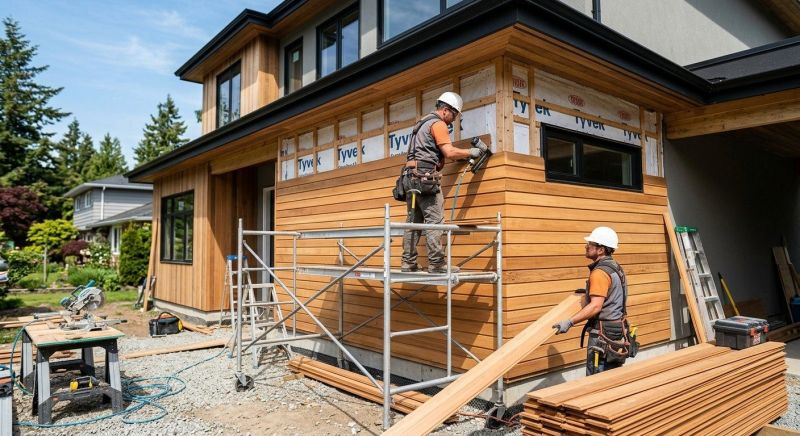
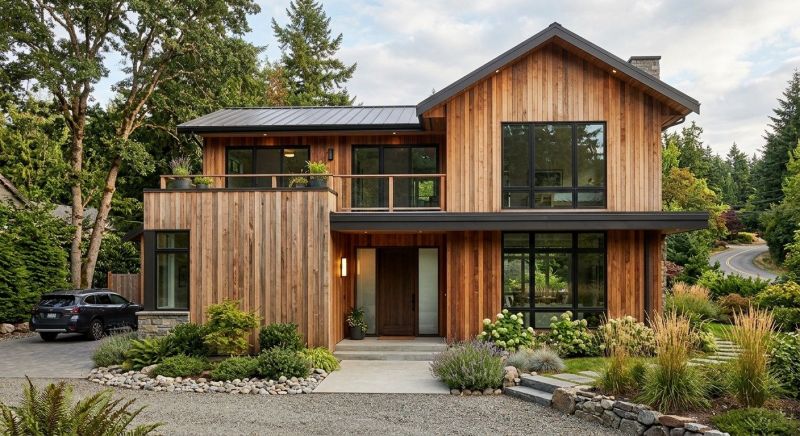
Wood Cladding - offers a natural look that enhances curb appeal and adds insulation.
Composite Cladding - combines materials for versatile styles and increased durability.
Insulated Cladding - improves energy efficiency while safeguarding the building exterior.
Home Cladding Installation Questions
What types of materials are used for home cladding? Common options include vinyl, wood, fiber cement, and metal, each offering different looks and durability levels.
Can home cladding improve energy efficiency? Yes, properly installed cladding can help insulate a property and reduce energy costs.
Is home cladding suitable for all house styles? Cladding options are versatile and can complement a variety of architectural styles and exteriors.
What maintenance is required for cladding materials? Maintenance varies by material but generally includes cleaning and occasional inspections to preserve appearance and function.
Request Home Cladding Installation in Boston, MA
Use the quote form on this page to share the basics of your project and request more information for the type of work you need.